

Which Category of H2A Employer Are You?
The government-mandated H2A Program provides a legal way for certain types of farmers to hire skilled, foreign farm labor to fill the gap left from their inability to find sufficient domestic workers. A range of farm types are eligible to participate in the H2A Program, with some exclusions.
The 3 main farm operation categories
Aside from the type of farm (crop, livestock, beekeeping, etc.), there’s another important way to categorize potential H2A employers based on the type of operation—Fixed-Site, Farm Labor Contractor (FLC), or Custom Harvester. Each category has unique characteristics and requirements. Let’s take a closer look at each of these categories.
Fixed-Site Farms
What is a Fixed-Site farm?
Fixed-Site farms have one primary location, or site, where all work is performed. These are often small, family-owned and operated businesses that typically hire up to four seasonal H2A employees to help with tasks such as planting, cultivating, and harvesting their crops or caring for their livestock.
What are the H2A Program requirements for Fixed-Site farms?
In order to apply for a Temporary Labor Certification and hire H2A employees, the government requires a Fixed-Site farmer to:
Have a Federal Employer Identification Number (FEIN)
Have an active Workers’ Compensation policy
Provide furnished housing for the H2A employees
Provide daily transportation for H2A employees between the housing and the worksite
Provide weekly transportation for groceries, banking, laundry and other essential errands
Provide three meals a day, even on non-work days, whether that’s through housing with adequate kitchen facilities and weekly grocery trips, or catering
Reimburse H2A employees for tickets, meals, and other expenses incurred during travel to and from their home countries as well as to and from the consulate
Learn more about H2A Program requirements
What is the H2A Process for Fixed-Site farmers?
Here’s an overview of the H2A Program application process:
Complete profile and submit H2A application to USA Farm Labor
Start reviewing the resumes and skills of 6,000-plus verified, skilled workers in our proprietary database
Get assigned a Case Manager who manages all the paperwork, monitors all communications with your State Workforce Agency (SWA) and the Department of Labor (DOL), handles any Notices of Deficiency
Receive Temporary Labor Certification
Interview and select workers
Lean on your Case Manager to prepare for and pass housing inspection
Get assigned a Worker Placement Coordinator who helps orchestrate and manage worker travel and arrival, and monitors everything throughout your entire season
Lean on our United States Citizenship Immigration Services (USCIS) Team to submit visa petitions, so workers arrive on time
Learn more about the H2A Program process
What is the H2A Program timeline for Fixed-Site farmers?
The entire H2A Program process takes between 75 and 100 days. Here’s a summary of the key milestones:
100 - 75 days before your start date:
Your Onboarding Specialist makes sure the program is a good fit
You submit your application to USA Farm Labor
You start searching for workers in our database
75 - 60 days before your start date:
You finalize meeting all the H2A Program requirements and provide all the necessary documents
Your Case Manager takes care of all your paperwork and submits your application to the Department of Labor
Your Case Manager monitor the status and manages all communications with SWA and DOL
60 - 45 days before your start date:
You pass your housing inspection
You get your Temporary Labor Certification
Your Worker Placement Coordinator helps with consulate and inbound travel
Your USCIS team manages worker visa petitions
30 days before start:
Your Worker Placement Coordinator provides worker pre-arrival documentation
Your Worker Placement Coordinator monitors worker travel and arrival
After worker arrival:
Your Worker Placement Coordinator stays connected to both you and your H2A workers to ensure everything goes smoothly all season long
Your Worker Placement Coordinator is available to answer questions, solve issues, and assist with conflict resolution
Get a detailed breakdown of the H2A Program timeline
Farm Labor Contractors
What is a Farm Labor Contractor (FLC)?
Farm Labor Contractors specialize in performing work on farms for farmers. Here are some examples of the types of services a Farm Labor Contractor might provide:
Building or maintaining irrigation or drainage systems
Drilling wells
Hauling raw grain
Repairing farm equipment
Applying fertilizer or pesticides
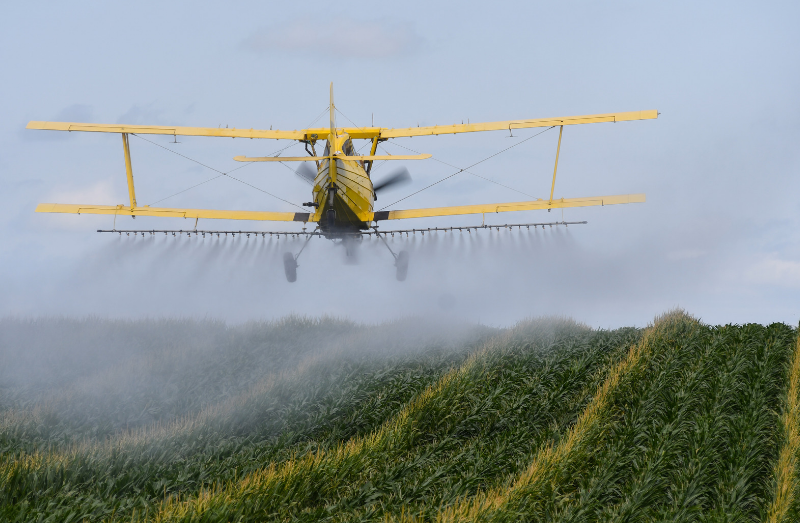
Crop dusting
Harvesting
Building barns, fences, or other farm structures
Mobile vet services
Ag pilot services
What are the requirements for a Farm Labor Contractor license ?
Before applying for a Temporary Labor Certification and hiring H2A Program workers, Farm Labor Contractors must first get a Farm Labor Contractor certificate. This process takes roughly 90 days, although current times are longer due to a backlog of applications as a result of the government shutdown.
Here’s what’s required to apply for a Farm Labor Contractor certificate:
The Farm Labor Contractor certificate owner must provide:
Proof of FEIN
An active Workers’ Compensation policy (for all worksite states)
Vehicle liability coverage
Vehicle inspections for all the vehicles workers will have access to for grocery, banking, etc.
Proof for Farm Labor Contractor vehicles (make, model, year)
The Farm Labor Contractor business representative must provide:
A copy of their driver’s license (front & back)
Fingerprints
Farm Labor Contractor Employees (FLCEs) include anyone who’ll be driving H2A workers, and must provide:
A copy of their driver’s license (front & back)
A medical certificate
Fingerprints
A Surety Bond good for two years from the end of the contract, or three years total, to ensure you can still pay H2A wages and benefits if something unforeseen, such as going out of business, a storm or major damage, prevents you from offering the full hours listed in the job contract
Work contracts for up to 10 worksites you know you’ll be working at during the season
Once we have all of the above, our team of dedicated Farm Labor Contractor Case Managers mail your application to the Wage & Hour division. We can then start the H2A Program application process once we’ve submitted the application for, and are waiting on, your Farm Labor Contractor certificate.
Additional considerations for Farm Labor Contractors
Work need must be temporary/seasonal (10 months or less)
Work must be performed on third-party, fixed-site farms
Workers may travel a maximum of one hour in each direction from the main (headquarter) location to perform the work
Workers must strictly work for the Farm Labor Contractor and can’t be loaned out to Fixed-Site farmers
If a Farm Labor Contractor also has their own fixed-site farm, and needs H2A Program workers for both their own site and Farm Labor Contractor business, separate H2A Program applications must be submitted for each
What are the H2A Program requirements for Farm Labor Contractors?
The requirements for Farm Labor Contractors to apply for an H2A Temporary Labor Certification are pretty much the same as listed above for Fixed-Site farms.
What is the H2A Program timeline for Farm Labor Contractors?
Assuming you don’t already have a Farm Labor Contractor certificate, the entire process takes about eight months—roughly five months to get the Farm Labor Contractor certificate and another three months to get your H2A Program Temporary Labor Certification.
Here’s a summary of the key milestones:
180 - 150 days before your start date:
Your Onboarding Specialist makes sure the program is a good fit
You submit your application to USA Farm Labor
You start searching for workers in our database
150 days - 120 days
You provide all the necessary forms and documentation to apply for your Farm Labor Contractor Certificate
Your Farm Labor Contractor Case Manager takes care of all your paperwork and submits your application
100 - 75 days before your start date:
You receive your Farm Labor Contractor certificate
You finalize meeting all the H2A Program requirements and provide all the necessary documents
75 - 60 days before your start date:
Your Case Manager takes care of all of your paperwork and submits your application to the Department of Labor
Your Case Manager monitor the status and manages all communications with SWA and DOL
60 - 45 days before your start date:
You pass your housing inspection
You get your Temporary Labor Certification
Your Worker Placement Coordinator helps with consulate and inbound travel
Your USCIS team manages worker visa petitions
30 days before start:
Your Worker Placement Coordinator provides worker pre-arrival documentation
Your Worker Placement Coordinator monitors worker travel and arrival
After worker arrival:
Your Worker Placement Coordinator stays connected to both you and your H2A workers to ensure everything goes smoothly all season long
Your Worker Placement Coordinator is available to answer questions, solve issues, and assist with conflict resolution
Custom Harvesters
What is a Custom Harvester?
Custom Harvesters are a specific type of Farm Labor Contractor that specialize in helping other farmers harvest their crops. Work must consist of harvesting and transporting crops only, no planting or cultivating.
Custom Harvester requirements and additional considerations
Custom Harvesters do not require a Farm Labor Contractor certificate
Custom Harvester H2A Program workers can travel a bit further than the one-hour maximum but travel must stay within contiguous states
Aside from the standard H2A Program requirements, they still need a Surety Bond and work contracts for each worksite
Workers must strictly work for the Custom Harvester and can’t be loaned out to Fixed-Site farmers
If the worksites cross different states, workers are paid the average AEWR for all states
What are the H2A Program requirements for Custom Harvesters?
The requirements for Custom Harvesters to apply for an H2A Temporary Labor Certification are the same as listed above for Fixed-Site farms.
What is the H2A Program timeline for Custom Harvesters?
The H2A Program timeline for Custom Harvesters pretty much aligns with the Fixed-Site farm timeline above.
Regardless of which category your business falls under, the H2A Program provides a lifeline that helps ensure you can get the quality farm labor you need.
